

The Difference Between Practicing Yoga and Being a 'Yogi'

There’s a massive misconception that to become a true yogi you have to renounce the material world, or that yoga requires you to leave everything behind, detach from ordinary life, and escape society altogether. I can tell you for free that’s not true and when you look closely at the philosophy of yoga, that’s not actually the point! Yoga isn’t asking us to abandon the world, it’s just saying rise above the ego and the attachments that bind us to it and it teaches us that a yogi is someone who can move through the world without being controlled by it.
The Bhagavad Gita explains this well when Lord Krishna says that the yogi is not someone who avoids action, but someone who acts without attachment to the results of those actions (karma yoga). In other words, the yogi lives in the world, but is not enslaved by it. This is where I think the modern yoga world has become a little confused. In the West especially, teachers and students have become accustomed to adopting the title of yogi or yogini simply because they practice yoga or teach yoga. It has become a casual label and something people attach to their lifestyle or profession. But traditionally, the title of yogi isn’t something you simply claim for yourself, it is something that emerges from deep practice and transformation on the yogic path.
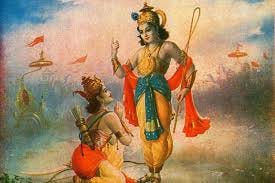
A yogi was someone who had reached elevated states through yoga…someone who had gone beyond identification with the physical body and the constant fluctuations of the mind (chitta vritti). In other words, an advanced practitioner who had loosened the grip of ego and attachment. But if we are really honest, most of the people we see calling themselves yogis today are still very tied to the material world and the physical body. So are you really a yogi? Or are you a yoga seeker on the path?
Another pattern I notice is when I raise awareness about the issues in modern yoga spaces, people will respond by telling me they have been practicing yoga for ten, twenty, or even thirty years, as if the length of time automatically means they understand the practice deeply. But the truth is that the number of years you have been practicing yoga does not necessarily reflect the depth of your practice. It depends on who you learned from, how you were taught, and whether your practice has been rooted in awareness or simply repetition. Someone can practice yoga for decades and still remain very attached to their identity, their body, their achievements in the practice, or their idea of what yoga should be, which in itself goes agaianst the true purpose of yoga. And when someone feels threatened by being asked to reflect or change, that reaction itself can reveal attachment to the practice.That doesn’t mean your years of practice are meaningless. But it can mean that the practice has been approached from a place of ego rather than awareness.
Yoga is not something that becomes complete after ten or twenty years. If anything, the longer you walk this path, the more you realise how much there is still to understand! It’s always worth noting that we are forever students on this path, and the more we approach yoga from that lens, the more our awarness expands.
Paramahansa Yogananda wrote about advanced yogis developing siddhis, extraordinary abilities that arise through deep meditation, discipline, and long periods of contemplation. These weren’t displays of power, or the end goal of yoga, but signs that consciousness had moved beyond ordinary identification with the body and the external world. Traditionally, yogis were also guardians of sacred knowledge. They challenged their disciples, pushed them beyond their limitations, and guided them through difficult inner work. So becoming a yogi does not require abandoning the material world. It requires something much harder. It requires rising above ego, attachment, and the constant need to defend our identity. And it requires the humility to recognise that practicing yoga and becoming a yogi are not the same thing. Also, perhaps the real beginning of the path is the moment we stop assuming we have already reached the end.
If you are someone who wants to move beyond the surface of yoga and begin understanding the philosophy that actually shapes the practice, I invite you to study with me. My teachings focus on intentional yoga that brings the philosophical concepts into the way we practice, think, and live. Would love for you to join me for weekly teachings if it aligns!
Much love,
Nikita 💕
Thanks for bringing the depth and awareness needed on this topic. 🙏🏽